Lisbon Birdwatching Tour
Visitor Guide

Birds in Lisbon

The Tagus Estuary Natural Reserve shelters one of Europe's most concentrated stopover zones for migratory waterfowl. This guide covers which species you'll encounter, when to plan your visit, and what to expect at the EVOA observation centre.

8 min read Updated 2026-09-16 Fact-checked
Birds in Lisbon

Quick answer

Birds in Lisbon are most accessible at the Tagus Estuary Natural Reserve, where over 120 species have been recorded. The reserve's salt marshes, mudflats, and shallow lagoons host resident populations of black-winged stilts, avocets, and greater flamingos year-round, with peak migratory activity between September and March. EVOA's purpose-built hides and elevated walkways offer unobstructed sightlines across feeding zones without disturbing nesting areas.

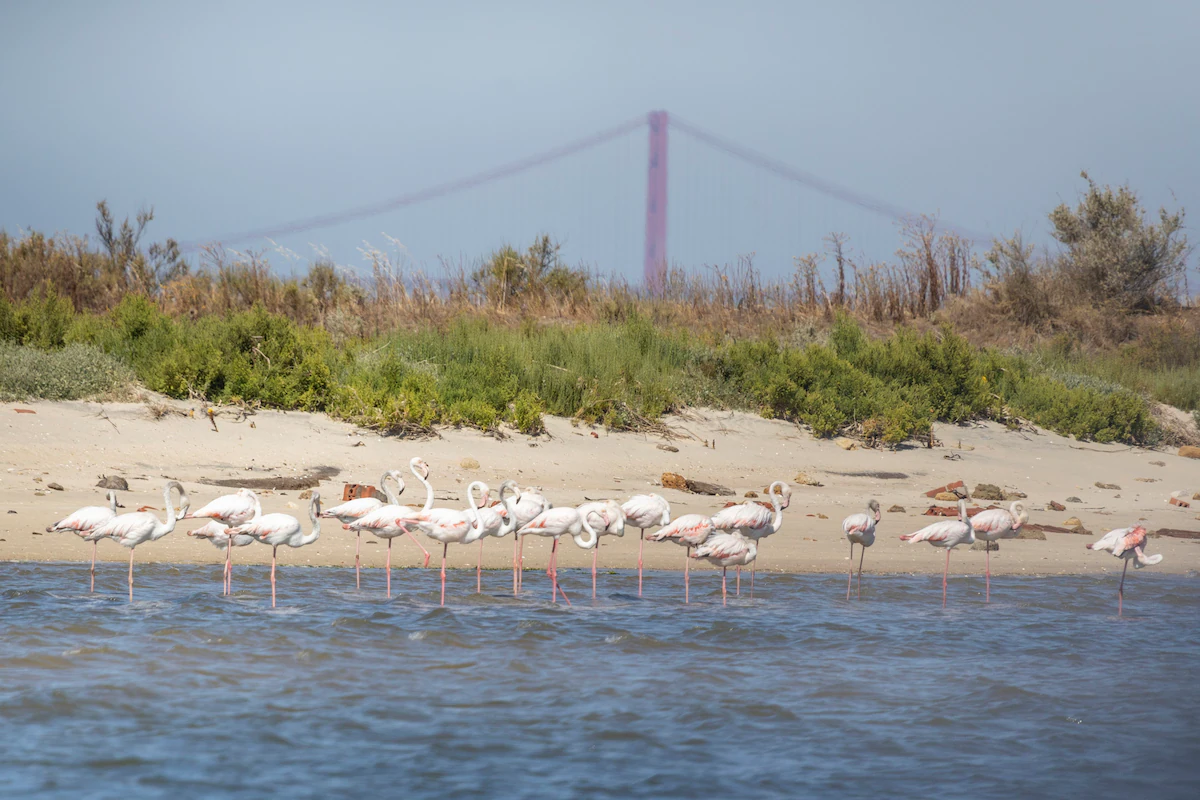
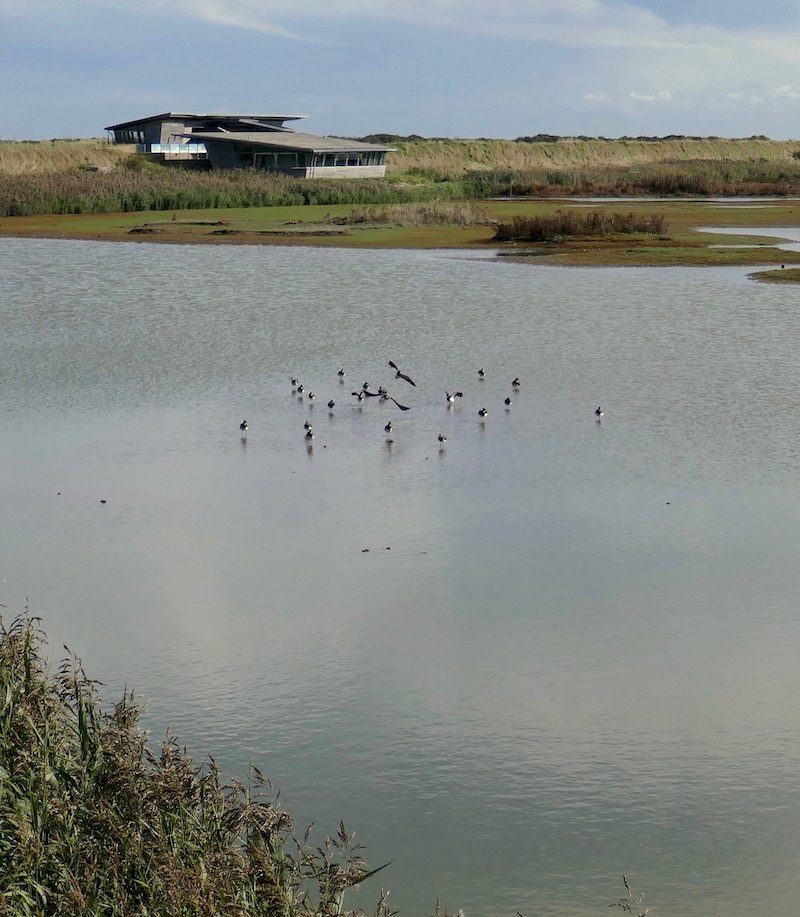
The Tagus Estuary forms the largest wetland on Portugal's Atlantic coast, and its position along the East Atlantic Flyway makes it a compulsory refueling stop for tens of thousands of waders and waterfowl each autumn and spring. What sets this reserve apart is not simply the species count but the density: flamingos gather in flocks exceeding two hundred individuals during winter months, and the mudflats at low tide become a continuous carpet of dunlins, redshanks, and curlews probing for invertebrates. The landscape itself is a working mosaic of salt pans, rice paddies, and tidal channels. Birdwatching Lisbon's estuary means observing species against a backdrop of traditional salt harvesting and the occasional freight vessel making its way upriver toward the capital. EVOA—the reserve's environmental interpretation centre—occupies a reclaimed salt pan and provides telescopes, layered observation platforms, and interpretive panels that decode the seasonal rhythms. The site is designed for both novice visitors and experienced birders: paths are wheelchair-accessible, and the hides are positioned to maximize sightlines during morning and late-afternoon light. Autumn migration begins in earnest by late August, when spoonbills and black-tailed godwits arrive from northern breeding grounds. Winter consolidates the population, and by January the estuary holds its highest concentrations of waterfowl. Spring passage is shorter but more dramatic, as species in breeding plumage pause here between March and May. Resident specialties include the pied avocet—its recurved bill unmistakable as it sweeps through shallow water—and the Kentish plover, which nests on exposed sand spits. Raptors patrol the periphery: marsh harriers quarter the reeds, and short-eared owls hunt at dusk during colder months. The reserve operates on a model that balances public access with habitat protection. Designated pathways keep foot traffic away from nesting zones, and the observation infrastructure ensures that even a brief visit yields meaningful sightings. For those planning a dedicated birding excursion to Lisbon's outskirts, the Tagus Estuary delivers both quantity and proximity—most hides sit within a ten-minute walk of the visitor centre, and the tidal cycle guarantees that some portion of the mudflat is always active with feeding birds.

“The estuary's mudflats at low tide become a continuous carpet of dunlins, redshanks, and curlews probing for invertebrates.”
Opening hours

Opening Hours for Birdwatching at EVOA

The EVOA visitor centre at the Tagus Estuary Natural Reserve is open for visitors Tuesday through Sunday.

Monday
Closed
Tuesday
10:00–17:00
Wednesday
10:00–17:00
Thursday
10:00–17:00
Friday
10:00–17:00
Saturday
10:00–17:00
Sunday
10:00–17:00
The last entry for visitors is at 16:00.
Directions

Directions for Visiting Birds in Lisbon at the Tagus Estuary

The Tagus Estuary Natural Reserve, specifically the EVOA visitor centre, is located in the lezíria area of Vila Franca de Xira. Given its remote position within the marshlands, private or arranged transport is the most direct way to reach the site.

Car 40 min

A1 motorway towards Vila Franca de Xira

Taxi 40 min Variable

Direct from Lisbon center

Train 45 min

Azambuja Line to Vila Franca de Xira station

Public transport reaches the town of Vila Franca de Xira, but guests must arrange a taxi or private transfer for the final leg to the reserve address at 2600 Vila Franca de Xira. On-site parking is available for those driving directly.

What to see

Key Species and Habitats of Birds in Lisbon

The Tagus Estuary Natural Reserve features a mosaic of wetlands, salt pans, and lagoons that support significant populations of migratory and resident birds. These habitats provide essential feeding and nesting grounds along the East Atlantic Flyway.

Freshwater Lagoons

Freshwater Lagoons

These areas are primary sites for observing waterfowl such as the Purple Swamphen and various duck species. Dense reed beds offer protective cover for nesting birds.

Use the concealed observation hides for closer views without disturbing wildlife.

Salt Pans

Salt Pans

The shallow water environment is a critical foraging habitat for waders and shorebirds including the Pied Avocet and Black-winged Stilt. These species frequent the area to feed on small crustaceans.

Scan the water margins slowly with binoculars to spot foraging waders.

Mudflats

Mudflats

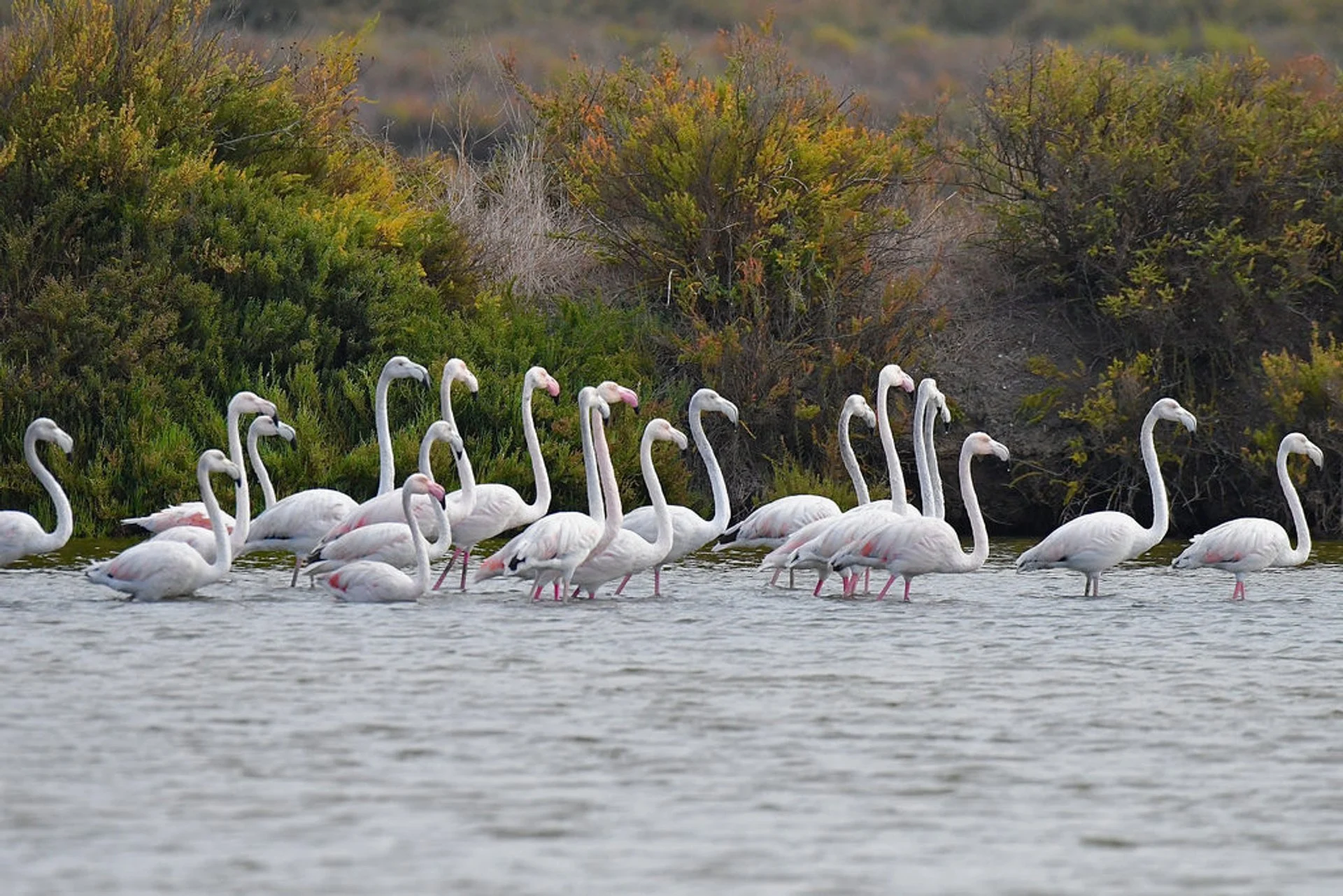
At low tide, these expansive flats reveal rich invertebrate life that attracts thousands of migratory birds, notably the Greater Flamingo and Grey Plover. This habitat is vital for birds fueling up before migration.

Visit during the receding tide to see birds foraging on the flats.

Observation Hides

Observation Hides

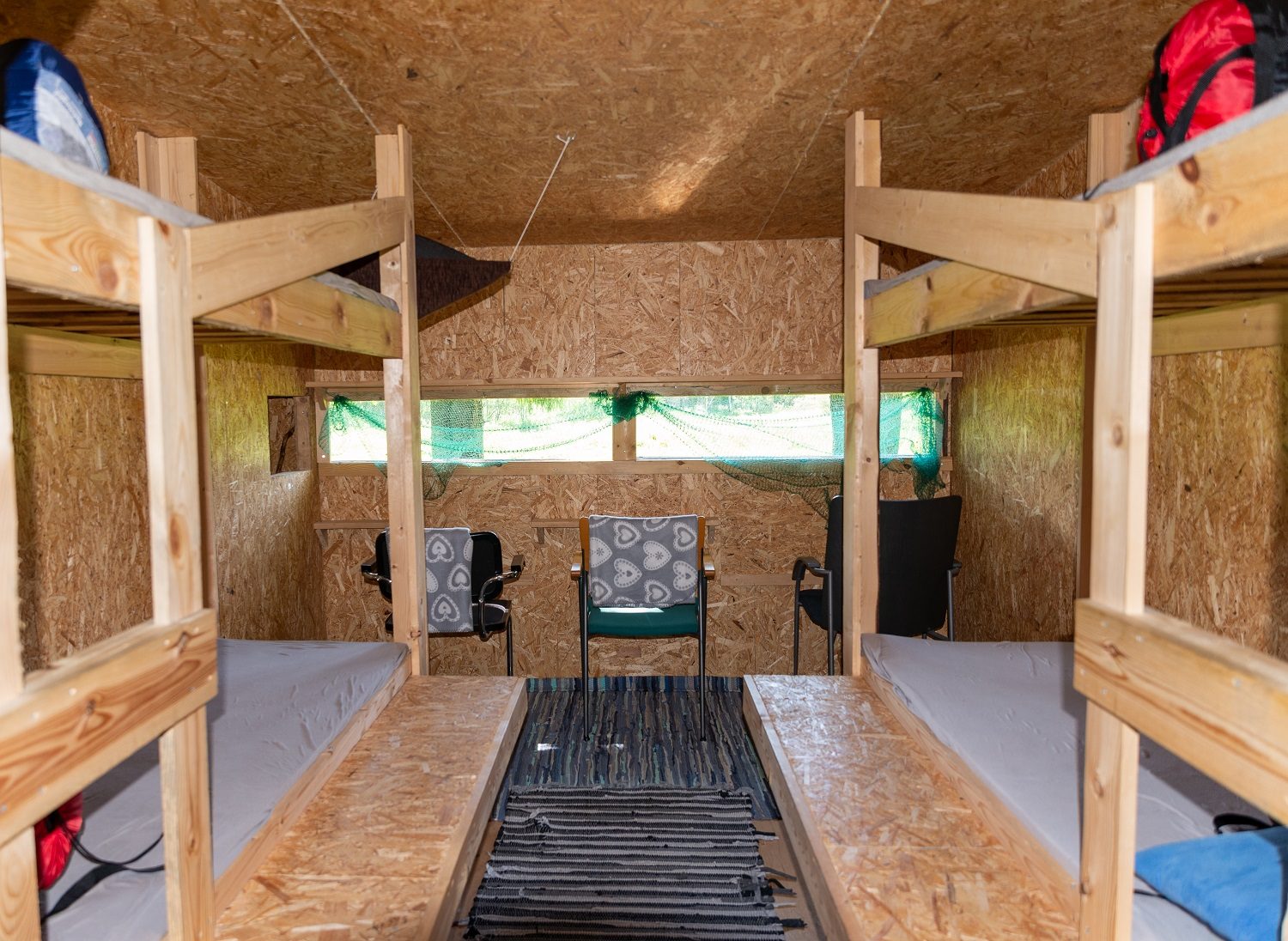
Strategically placed structures allow visitors to view bird activity across the reserve with minimal disturbance. These vantage points provide optimal angles for bird identification and photography.

Remain quiet inside the hide to observe undisturbed natural behavior.

Etiquette

Conduct Rules for Observing Birds in Lisbon

The Tagus Estuary shelters migrating and nesting species that are highly sensitive to disturbance. Proper conduct protects breeding cycles and ensures birds remain visible to future observers.

Do

  • Move slowly and quietly along designated paths and boardwalks
  • Wear muted earth tones to blend into the wetland surroundings
  • Keep binoculars ready to observe from a respectful distance
  • Lower your voice when other birders are present observing quietly
  • Stay behind barriers and viewing screens to minimize your outline

Don't

  • Approach nesting areas or attempt to flush birds for better photos
  • Use flash photography or artificial sound playback to attract species
  • Bring dogs or pets into the reserve's sensitive wetland zones
  • Stray from marked trails to get closer to roosting flocks
  • Litter or discard food that could attract invasive predators
Book

Check availability

Frequently asked

Frequently asked questions about birds in lisbon

Everything you need to know about birds in lisbon

Is the Tagus Estuary a good place to see birds in lisbon?

The Tagus Estuary Natural Reserve is one of the most significant wetlands for birds in lisbon, providing a critical sanctuary for migratory species. Its diverse habitats make it a prime location for those seeking to observe local fauna in their natural environment. Exploring these wetlands offers a unique perspective on the regional biodiversity beyond the city center. Visitors interested in professional guidance can book a structured excursion to enhance their experience of spotting various birds in lisbon. Since the reserve is a protected space, guests should stay on marked trails to avoid disturbing the ecosystem. You can find more information about these experiences through the available booking links.

What is the best time of day for a Lisbon birdwatching tour?

For optimal light and activity, the best arrival window is 10:00–16:00, which also respects the 16:00 last entry policy. This timeframe ensures you have sufficient daylight for spotting birds in lisbon before the visitor centre closes. Arriving mid-morning allows the morning mist to clear, often resulting in better visibility across the lagoons. Proper planning helps you make the most of your trip to this important environmental landmark.

What is the entrance fee for the EVOA visitor centre?

The walk-in price for adult entry at the EVOA visitor centre is 32 EUR. This fee grants you access to the interpretive facilities and designated hides, which are essential for viewing birds in lisbon without causing alarm. Please note that this is a standard adult rate; additional details regarding group access or specialized tours can be found on our main booking page. Maintaining this entry standard helps fund the conservation of the estuary.

When can I visit to observe the wildlife?

The centre operates from Tuesday to Sunday, 10:00–17:00, and is closed on Mondays. Plan your visit accordingly to ensure the facility is open when you arrive. Because the reserve is a quiet zone, weekday visits often provide a more serene experience for observers. Checking the schedule ahead of time prevents disappointment upon arrival.

Is it possible to go birding in Lisbon with children?

Yes, the reserve is a family-friendly destination, though children should be supervised to maintain the quiet environment required for wildlife observation. The educational nature of the visitor centre makes it an excellent location for young nature enthusiasts to learn about ecology. Engaging with nature in this way can foster a deeper appreciation for local wildlife. Ensure you keep noise levels low to maximize your chances of successful sightings.

What should I bring for a day at the reserve?

To ensure a comfortable experience, bring binoculars, comfortable walking shoes, and weather-appropriate clothing. The reserve features open landscapes, so sun protection or layers for wind are advisable depending on the season. Water and snacks are also recommended, as you may spend several hours exploring the paths. Respecting the habitat by leaving no waste behind helps protect the delicate balance of the estuary.

Keep reading

More guides & pages