
Lisbon Birdwatching Tour
Visitor Guide

Lisbon Tagus Estuary Nature Reserve Birdwatching Boat Tour

The Tagus Estuary Natural Reserve hosts one of Europe's most important wetland ecosystems, where over 120,000 migratory birds winter each year. Boat tours from EVOA's visitor center offer the only water-level access to mudflats and salt marshes that remain off-limits from shore, revealing flamingos, black-tailed godwits, avocets and spoonbills at ranges impossible from land-based hides.

8 min read Updated 2026-09-16 Fact-checked
Lisbon Tagus Estuary Nature Reserve Birdwatching Boat Tour

Quick answer

Boat tours of the Tagus Estuary Natural Reserve depart from the EVOA visitor center in Vila Franca de Xira, operating Tuesday through Sunday between 10:00 and 17:00. Tours are timed to tidal cycles and scheduled through EVOA directly, with the center's 7 EUR entrance fee covering access to land-based observation hides and exhibits. The estuary hosts peak bird activity from October through March, when tens of thousands of waders and waterfowl concentrate on exposed mudflats during low tide.

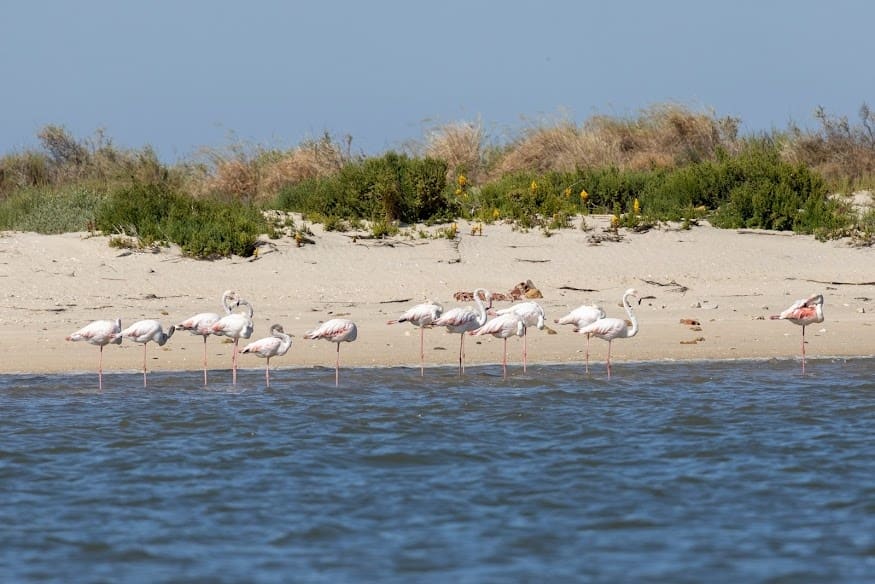
The Tagus Estuary shelters the largest wetland in Portugal, a 14,563-hectare mosaic of tidal mudflats, salt pans, reed beds and shallow channels that function as a critical stopover on the East Atlantic Flyway. More than 120,000 waterbirds overwinter here, and another 40,000 use the estuary as a staging post during spring and autumn migrations. The numbers alone justify the reserve's Ramsar designation, but the lisbon tagus estuary nature reserve birdwatching boat tour reveals something land-based observation cannot: proximity to feeding flocks in zones unreachable on foot. EVOA—the reserve's environmental education and observation center—coordinates guided boat excursions that navigate tidal creeks and approach mudflat margins during the two-hour window after high tide, when receding water exposes invertebrate-rich sediment and waders descend to feed. Black-tailed godwits, dunlins, avocets and grey plovers work the mud in dense rafts. Greater flamingos filter-feed in the shallows. Spoonbills sweep their spatulate bills through channels. Ospreys and marsh harriers hunt from above. The boat's shallow draft and quiet electric motor allow approach within 20 to 30 meters, close enough to distinguish plumage detail without flushing birds. Timing a visit requires attention to both tide tables and migration calendars. Low tide exposes the maximum feeding area, drawing the largest concentrations of shorebirds. Spring migration peaks in April and May, autumn migration in September and October, but winter—December through February—delivers the highest overall numbers as northern European populations settle in for the season. Flamingos remain year-round, but flocks swell to several hundred in winter. The EVOA visitor center publishes tide schedules and current sightings on its website, and boat tour availability is tied directly to those tidal windows. The estuary's birdlife is inseparable from its hydrological cycle. The Tagus River meets the Atlantic here, creating a brackish gradient that supports distinct ecological zones: freshwater marsh upstream, salt marsh and mudflat downstream, and open water in the central channel. Each zone holds its own suite of species. The reserve's location just 30 kilometers north of Lisbon makes it one of the most accessible major wetlands in southern Europe, yet its vast scale and tidal rhythms keep it wild. A guided boat tour from EVOA translates that wildness into legible encounters, placing visitors inside the system rather than observing it from a distant platform.

“The boat's shallow draft and quiet electric motor allow approach within 20 to 30 meters, close enough to distinguish plumage detail without flushing birds.”
Timing

Optimal Timing for a Lisbon Tagus Estuary Nature Reserve Birdwatching Boat Tour

The best time for birdwatching at the Tagus Estuary Natural Reserve is between 10:00 and 16:00, as this window aligns with favorable tidal patterns and peak bird activity.

Autumn and Winter

Moderate

Mild, 10°C to 18°C

Migratory species arrive in large numbers during these months. This period offers the highest diversity of waterbirds.

Spring

Moderate

Warm, 15°C to 23°C

Breeding season brings increased activity among nesting species. Observation is ideal during the moderate temperatures of these months.

Weekday mornings

Low

Mid-week visits provide a quieter experience. Bird feeding habits often coincide with the receding tide, improving visibility.

Verdict: For optimal conditions, plan your visit between Tuesday and Thursday during the spring or autumn migration periods, adhering to the recommended 10:00–16:00 arrival window.

Opening hours

Visitor Center Hours for a Lisbon Tagus Estuary Nature Reserve Birdwatching Boat Tour

The EVOA visitor center operates six days a week, remaining closed on Mondays. Visitors may access the facility from Tuesday through Sunday during standard operating hours.

Monday
Closed
Tuesday
10:00–17:00
Wednesday
10:00–17:00
Thursday
10:00–17:00
Friday
10:00–17:00
Saturday
10:00–17:00
Sunday
10:00–17:00
Please plan your arrival to align with these operating hours to ensure full access to the visitor area and hides.
Directions

Navigating to Your Lisbon Tagus Estuary Nature Reserve Birdwatching Boat Tour

The Tagus Estuary Natural Reserve is located in the Lezíria de Vila Franca de Xira. The most reliable approach for visitors is via private vehicle or taxi, as public transit options to the specific visitor area are limited.

Car 40 min

Via A1 motorway to Vila Franca de Xira exit

Taxi 45 min

Direct from Lisbon city center to the reserve address

Train 30 min

CP Azambuja Line to Vila Franca de Xira station

Use the address Lezíria de Vila Franca de Xira, 2600 Vila Franca de Xira, Portugal for your GPS navigation. Plan your travel to arrive within the best arrival window of 10:00–16:00 to align with visitor center operations.

What to see

Key Zones to Explore During Your Lisbon Tagus Estuary Nature Reserve Birdwatching Boat Tour

The Tagus Estuary Natural Reserve features distinct managed zones designed to minimize human disturbance while maximizing observation opportunities. These areas allow visitors to observe migratory and resident bird populations in their natural wetland habitats.

EVOA Visitor Center

EVOA Visitor Center

The central hub provides educational resources and orientation before accessing the field observation areas. Use this space to check tide charts and current bird sightings.

Check the whiteboard for daily bird sightings at the entrance.
North Lagoon

North Lagoon

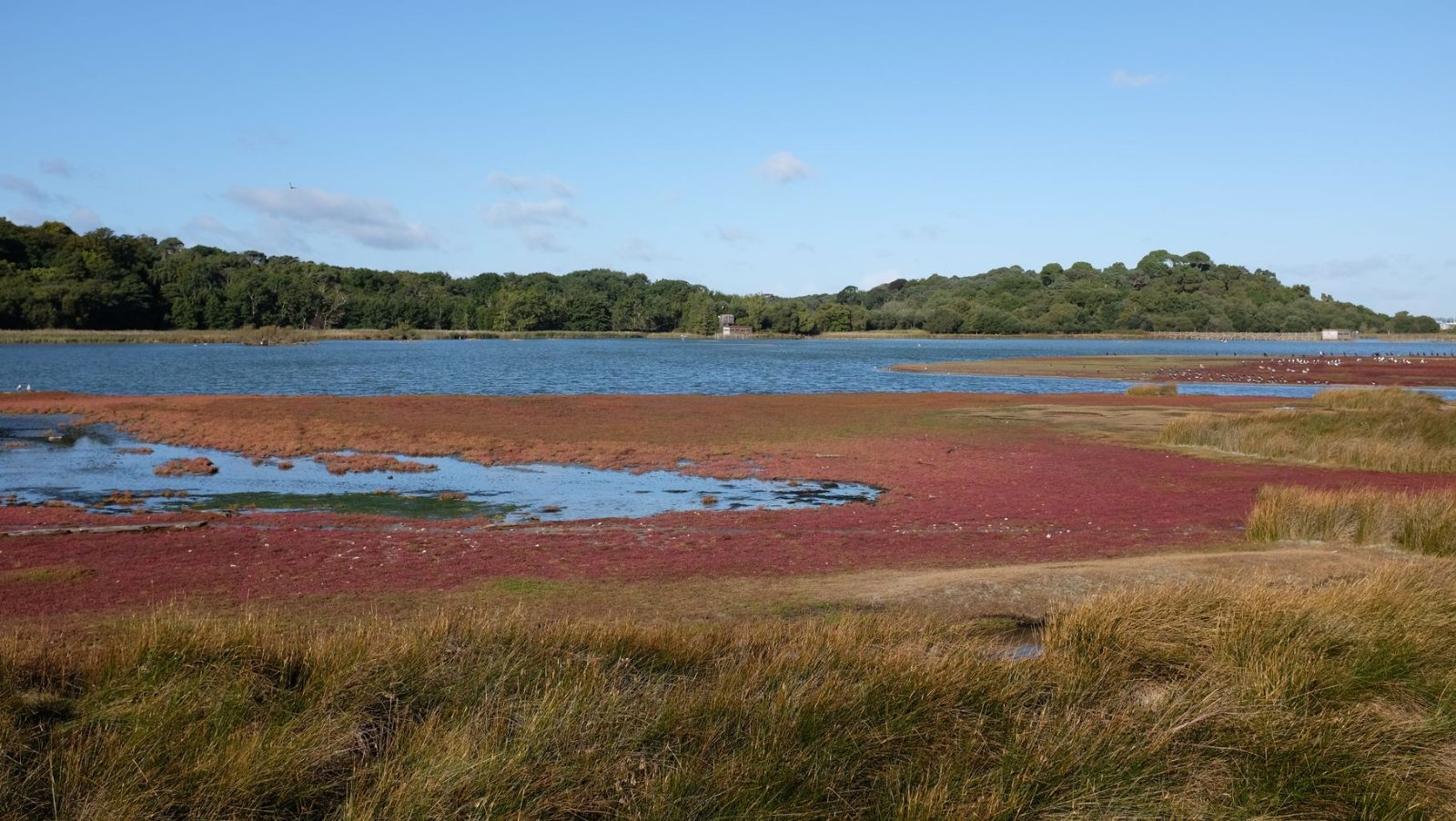
This primary lagoon area contains several specialized hides positioned for low-profile observation. It is a focal point for wintering ducks and various waders.

Arrive during the recommended window for optimal observation conditions.

Main Hides

Main Hides

These concealed structures offer panoramic views across the water and mudflats. They provide the necessary cover to view wildlife without alerting the birds to your presence.

Stay quiet and move slowly inside the hides to remain undetected.

Lezíria Trails

Lezíria Trails

The surrounding flatland trails wind through agricultural and riparian zones adjacent to the estuary. These paths offer a broader perspective of the reserve's diverse ecosystem.

Bring binoculars for spotting birds in the surrounding fields.

Checklist

Preparation Checklist for a Lisbon Tagus Estuary Nature Reserve Birdwatching Boat Tour

A wetland birdwatching tour demands optical gear, weather protection, and footwear suited to mudflats and tidal zones.

Book

Check availability

Frequently asked

FAQs: Tagus Estuary Birdwatching and Nature Tours

Everything you need to know about lisbon tagus estuary nature reserve birdwatching boat tour

What should I know about a lisbon tagus estuary nature reserve birdwatching boat tour?

A lisbon tagus estuary nature reserve birdwatching boat tour allows you to explore the diverse wetland habitats and observe migratory birds in their natural environment. Professional guides often accompany these trips to help identify species and explain the ecosystem's importance. Please refer to our booking widget to see available schedules and operator details. The best time to visit for optimal lighting and activity is between 10:00 and 16:00, as this aligns with tide schedules and visitor center operations. Planning your trip during this window ensures the highest chance of spotting a variety of waterbirds. The minimum price for entry to the EVOA visitor area and hides is 7 EUR. This fee provides access to the primary observation points within the reserve. The reserve is open Tuesday through Sunday from 10:00 to 17:00, remaining closed on Mondays. Plan your visit accordingly to ensure the visitor center facilities are accessible. Yes, these tours are generally educational and accessible for families interested in nature and wildlife. Children often enjoy using binoculars to spot various birds, though it is best to check specific age requirements with individual boat operators. You can observe a wide range of species including flamingos, avocets, and various species of ducks and waders. These birds rely on the marshland, lagoons, and salt pans of the reserve throughout the year. Many operators offer private excursion options tailored to your group size or specific birding interests. You can explore these custom arrangements through the booking links provided on our site. The reserve is located at Lezíria de Vila Franca de Xira, 2600 Vila Franca de Xira, Portugal. We recommend verifying your specific route by car as the site is situated within a protected wetland area.

Keep reading

More guides & pages